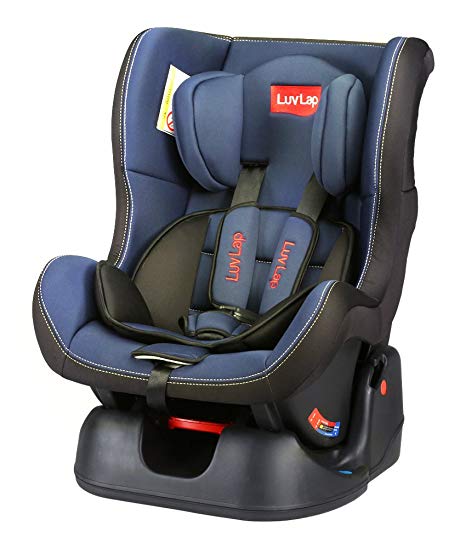
Buying the right car seat for your child is maybe one of the most important decisions you can make as a new parent. How tight is tight enough? Front-facing or rear-facing? And how do you install the thing? To find the best car seats, I spoke to four car-seat safety-installation experts — including Lorrie Walker, the safety and training adviser at Safe Kids Worldwide; pediatrician Ben Hoffman, who helps write official American Academy of Pediatrics policies on child-passenger safety; a dozen parents across the country; Jonathan Gondek, an expert from New York–based crash-testing site Calspan — and pored over a handful of consumer review sites like BabyGearLab and Consumer Reports, which conduct independent crash testing.
Each expert pointed out that every car seat on the market has passed the same rigorous safety-testing standards, so they’re all — at minimum — equipped to protect your child during a crash. Finding your own best seat depends on the model of your car, your child’s age and weight (for more info, the National Highway Traffic Safety Administration provides a guide), and which features make the car seats easier to install correctly (and thus safer). “The best car seat for any child and family is the car seat that fits the child, fits the car, and that the family will be able to use correctly every time,” says Hoffman. Though there’s no one-size-fits-all option, we asked experts for car-seat recommendations that would fit a variety of vehicles, plus make installation smoother and safer.
founder of car-seat cleaning-and-installation service Tot Squad, plus a child-passenger safety technician since 2009 — recommends the Nuna Pipa above and beyond any other infant car seat because it’s lightweight, simple to use, and safe. “Simple in that it’s easy to install because of a rigid latch system that holds the seat in, and safe because of the added load leg.” The load leg is a safety feature exclusive to infant seats that connects down into the floorboards, one that Hoffman and Gondek also recommended as an added feature, since it’s been tested to help prevent forward motion in a crash. “When you use the stability leg, you’re dispersing the crash through the steel frame of the vehicle, and that reduces the forward motion from the crash by 40 percent,” says Saxton.
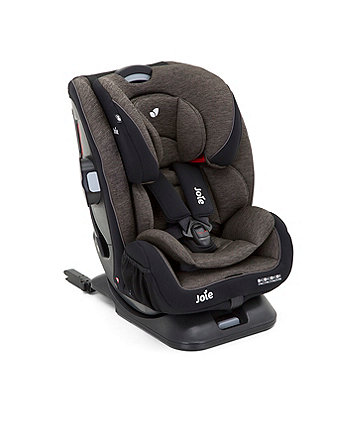
Another infant car seat that came recommended by parents — like Mei Ling Starkey of the blog Family Entourage — is the Uppababy Mesa. This one has a no-rethread harness, which is a feature that Walker recommended for ease of installation as your child grows up. “The no-rethread harness is a lovely feature because you don’t have to rethread your harness when your child gets bigger. You pull the tabs to tighten it, and the harness slides right down until it’s right over the child’s shoulder. You can put a tall child in it one day and get a perfect fit, or a tiny, tiny child in it the next day.
And if you want something slightly more affordable in the $200 range, the Chicco KeyFit has excellent reviews, and was also a favorite among the parents I surveyed for its ease of installation. Allyson Downey — who runs a consumer review site for child and baby essentials called WeeSpring — says that for her first child, she bought the Chicco KeyFit after doing extensive research “because it had outstanding reviews.” Lauren Brown, Mt. Washington Pediatric Hospital’s lead car-seat safety specialist, says the seat is a popular choice among parents she works with, too, because the brand has a YouTube video that shows parents exactly how to install it in their car.
Saxton’s favorite seat in the convertible category (which is the next step up from an infant car seat, that converts from rear-facing to forward-facing mode) is the Diono Radian because of its steel frame: This means it has a longer expiration date of ten years, compared to an average of four or five years for a plastic-molded seat. Since it’s really narrow-bodied, it’s a seat that will make room to fit three in the backseat, if you have a growing family or are carpooling. And because the AAP now recommends that kids be kept rear-facing as long as possible (because research suggests that rear-facing kids are at a lower risk for injury in a crash), Saxton also notes that this car seat has a higher weight limit for its rear-facing mode at 45 pounds.
 Best baby car seat